
Why you should consider upgrading your website to a VPS?
For many small businesses, hosting a website starts with a shared hosting plan. Shared hosting is affordable, easy to set up, and allows your website to be accessible on the internet for just a few dollars per month. It is a simple solution for a new business, personal blog, or small online project. However, while shared hosting is convenient and inexpensive, it comes with limitations that can impact performance, reliability, and scalability.
Shared hosting works by placing multiple websites on the same server, all sharing its memory, CPU, storage, and bandwidth. If one website experiences high traffic, it can slow down the others on the server. Similarly, sharing an IP address with other websites can cause email delivery problems or even blacklisting if other users misuse the server. This is why businesses experiencing growth often need a more robust solution that provides dedicated resources and greater control.
What is VPS Hosting?
A VPS, or Virtual Private Server, sits between shared hosting and dedicated hosting in terms of performance and cost. VPS hosting divides a physical server into multiple virtual servers, each functioning independently. Every VPS has its own memory, storage, CPU, and IP address, giving you dedicated resources while sharing the physical machine with other VPS accounts.
Unlike shared hosting, a VPS allows you to install your own operating system, configure server software, and manage your website environment according to your needs. It provides many of the benefits of a dedicated server without the high costs. VPS hosting is ideal for small to medium-sized businesses that are growing and need reliable, consistent performance without paying for an entire physical server.
How VPS Differs From Other Hosting Options
VPS hosting is distinct from shared and dedicated hosting in several important ways:
-
Shared Hosting: Multiple websites share the same server resources, and high traffic on one site can slow down all the others. IP addresses and server features are shared, which can create performance and email delivery issues.
-
Dedicated Hosting: A dedicated server is an entire physical machine reserved for a single website. This option is ideal for websites with very high traffic or complex technical requirements, but it comes at a higher cost.
-
VPS Hosting: A VPS offers a dedicated portion of a physical server. You have your own operating system, storage, memory, and IP address. It functions independently from other VPS accounts, providing privacy, performance, and customization without the price of a full dedicated server.
VPS hosting essentially gives you the advantages of a dedicated server on a smaller scale, making it a cost-effective solution for websites that are growing or need more control.
How Does a VPS Work?
VPS hosting uses a technology called server virtualization. The physical server is partitioned into multiple virtual servers, each functioning as if it were its own dedicated machine. Each VPS has its own operating system, allocated storage, and reserved CPU and memory.
Even though multiple VPS accounts share the same physical hardware, they operate independently. This isolation ensures that other websites on the same server cannot affect the performance, security, or stability of your VPS. It also allows you to customize the server environment for your specific needs, whether that means installing particular software, adjusting configurations, or running specialized applications.
Key Benefits of VPS Hosting
There are several important advantages to using VPS hosting over shared hosting:
Customization and Control
With VPS hosting, you can install and configure your own operating system, as well as software such as MySQL, PHP, or Apache. This level of customization is not available with most shared hosting plans, where the server environment is managed by the hosting provider. VPS allows you to tailor the server environment to fit your exact requirements.
Privacy and Security
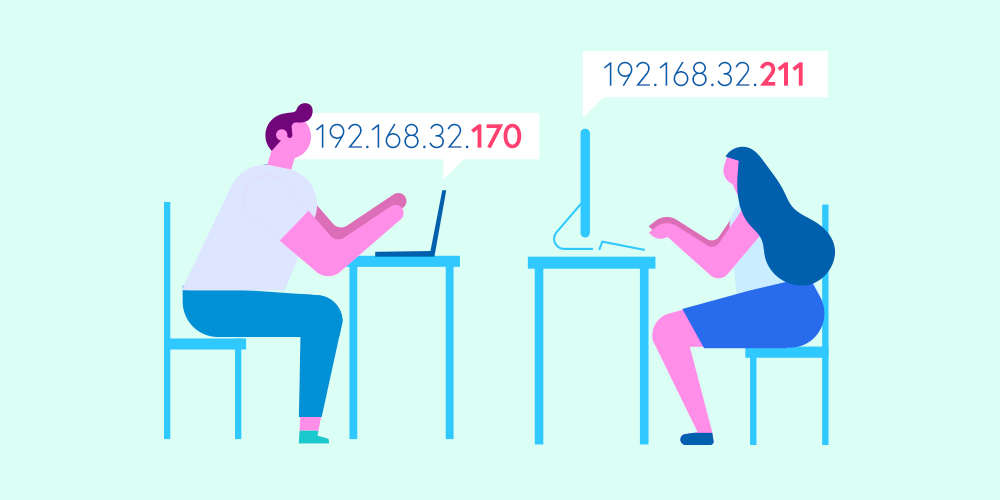
A VPS is entirely private. Your files, databases, and applications are isolated from other users on the same physical server. You also get a unique IP address, which improves email deliverability and reduces the risk of being affected by other websites’ activity.
Performance and Reliability
VPS hosting provides dedicated resources, so your website runs faster and more reliably than on shared hosting. You do not have to worry about performance drops caused by other websites, and your site can handle higher traffic volumes with ease.
Cost-Effective Solution
Although VPS hosting provides many of the same benefits as a dedicated server, it comes at a much lower cost. This makes it an ideal solution for growing businesses that need more resources and control without a large financial commitment.
When to Upgrade to VPS Hosting?
Upgrading to a VPS is a good idea if your website is experiencing performance issues on a shared server, if you need more control over your server environment, or if you want a more reliable hosting solution as your business grows. Signs it might be time to upgrade include slow page load times, inconsistent uptime, high traffic volumes, and email delivery issues. VPS hosting ensures your website has the resources it needs to perform well and scale as your business expands.
Tier.Net VPS Hosting Solutions
At Tier.Net, we provide VPS hosting plans that combine performance, flexibility, and affordability. Our VPS plans give your website dedicated resources, a private IP address, and full control over the server environment. Whether you are a small business owner looking to improve your website’s performance or a developer needing full customization, our VPS hosting solutions can meet your needs.
Our team is available 24/7/365 to help you set up, manage, or troubleshoot your VPS, ensuring your website runs smoothly at all times. For questions about VPS hosting or to explore the best hosting plan for your business, email us at [email protected] or chat live at www.tier.net.

VPS Hosting
Starting at just $7.49/mo, get virtual private servers with top-tier performance.
Learn MoreShare this article