
VPS Hosting vs Dedicated Hosting: Which one should you choose?
When you build a website, one of the first decisions you’ll face is choosing the right web hosting. Hosting is what makes your website accessible on the internet, and it works by storing your site’s files on a server. Think of it as renting space online: just as a business needs a physical location, your website needs a digital one. But not all hosting solutions are created equal. There are different types of hosting designed for different needs, and understanding these options can help you avoid overpaying or underpreparing for the future.
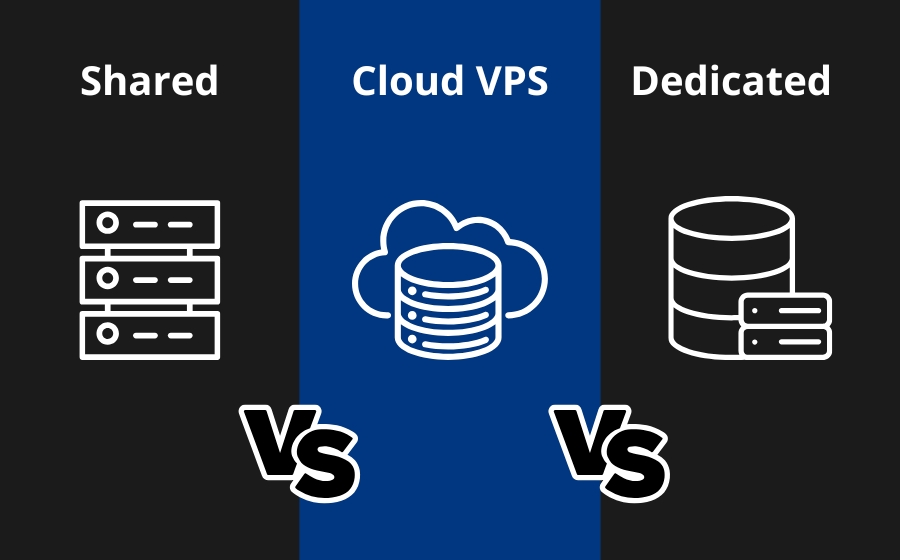
The three most common types of hosting are shared hosting, VPS hosting, and dedicated servers. Each has its own advantages, limitations, and best use cases. Shared hosting is the most affordable and beginner-friendly, VPS is a step up in both performance and control, and dedicated servers provide maximum power and flexibility. Let’s explore each option in more detail.
Shared Hosting: The Beginner’s Choice
Shared hosting is the entry-level tier of web hosting and is often the first stop for individuals and small businesses. With shared hosting, one physical server is divided among many users, sometimes hundreds. Each user gets their own space to store their website’s files, but all the websites share the same server resources, including CPU power, memory, and bandwidth.
This setup makes shared hosting very affordable, often costing just a few dollars per month. It’s ideal for personal blogs, portfolio websites, or small business sites that receive light traffic. Hosting companies usually manage all the technical aspects, such as server maintenance, security updates, and backups, which makes it easy for beginners to get started without technical expertise.
However, the trade-off is that performance can be unpredictable. If one site on the server experiences a traffic surge, it can slow down other sites. Additionally, customization is limited since you don’t have administrative access to the server. Shared hosting is best seen as a starting point — affordable and user-friendly, but not built for long-term growth if your website begins attracting larger audiences.
VPS Hosting: The Balanced Solution
A Virtual Private Server, or VPS, offers a middle ground between shared hosting and a dedicated server. With VPS hosting, a physical server is divided into several virtual servers using virtualization technology. Each virtual server operates independently, with its own dedicated portion of resources such as RAM, storage, and bandwidth.
This setup gives you far more stability and control compared to shared hosting. You don’t have to worry about your site slowing down because another user’s website is overloaded. A VPS also comes with root or admin access, which means you can customize your environment, install specific applications, and even reboot your virtual machine whenever necessary.
Another key advantage of VPS hosting is scalability. As your website grows, you can easily upgrade resources like memory or storage without downtime or migrating to a new server. The cost is higher than shared hosting but significantly less than a dedicated server, making VPS an excellent option for growing businesses, e-commerce websites, or content-heavy sites.
The main downside is that while you have more control, you also need more technical knowledge to manage a VPS effectively. Some hosting providers offer managed VPS services, but if you go the unmanaged route, you’ll be responsible for security, monitoring, and software updates.
Dedicated Servers: Maximum Power and Control
At the top end of the hosting spectrum are dedicated servers. Unlike shared hosting or VPS, where resources are split among multiple users, a dedicated server gives you full control of an entire physical machine. All of the server’s CPU power, RAM, and storage are reserved exclusively for your website or application.
This type of hosting is ideal for high-traffic websites, large businesses, or applications that require consistent, high performance — such as video streaming platforms, gaming servers, or enterprise-level applications. With a dedicated server, you can customize everything, from choosing the hardware specifications to installing specialized software. You also have complete administrative control, allowing you to fine-tune the server to your exact requirements.
The biggest drawback of dedicated hosting is cost. Since you’re essentially leasing an entire physical machine, the monthly fees are much higher compared to VPS or shared hosting. Upgrading hardware can also involve downtime, since resources like RAM or CPUs are not as flexible as they are in virtual environments. Additionally, managing a dedicated server requires strong technical knowledge unless you opt for a managed service.
Finding the Right Fit
Deciding between shared hosting, VPS hosting, and a dedicated server comes down to balancing cost, performance, and control. Shared hosting is a perfect entry point for beginners, but it has limited scalability. VPS hosting provides a strong middle ground, offering both flexibility and affordability for growing websites. Dedicated servers, on the other hand, are best suited for enterprises or projects where performance and reliability cannot be compromised.
One final point to keep in mind is that price should not be your only deciding factor. A more expensive plan doesn’t always guarantee better reliability. Choosing a reputable hosting provider with strong customer support, uptime guarantees, and transparent upgrade options is just as important as selecting the right type of hosting.
Conclusion
Your hosting choice is the foundation of your online presence. Whether you’re starting a personal blog, launching an e-commerce store, or managing an enterprise-level application, the type of hosting you select will directly impact your site’s speed, reliability, and scalability. Shared hosting offers a budget-friendly start, VPS hosting delivers balance and flexibility, and dedicated servers provide the ultimate in performance and control.
By understanding the strengths and limitations of each option, you can make a smarter decision that supports your website’s needs today while preparing for tomorrow’s growth.

VPS Hosting
Starting at just $7.49/mo, get virtual private servers with top-tier performance.
Learn MoreShare this article